

The Order of the Common Life: On Spiritual Direction
Gregory the Great opens his Book of Pastoral Rule by naming this work of spiritual accompaniment and helping others see what they cannot yet see as "...the care of souls [and] the art of arts."
These spiritual guides were seen as "doctors of the soul," and one of the primary questions that any good doctor begins with is "...what's going on here?"
Getting a diagnosis about any malady is difficult news to hear. Yet the tradition tells us that it is a glorious thing when we can see clearly the wounds that need to be healed or name the afflictive thoughts that keep whispering in our ear.

Trusting the Slow Work
This is something I have needed to be consistently reminded of throughout my time in the Order of the Common Life. Through a daily return to my commitments to silence, stillness, contemplation, and prayer—alongside spiritual friendship, spiritual direction, hospitality, and confession—I have over time noticed a deep work happening within me. It is a quiet, painstakingly slow work that almost goes unnoticed day to day. I simply continue to notice and nurture the love of God as each morning comes.

The Healing Power of Confession
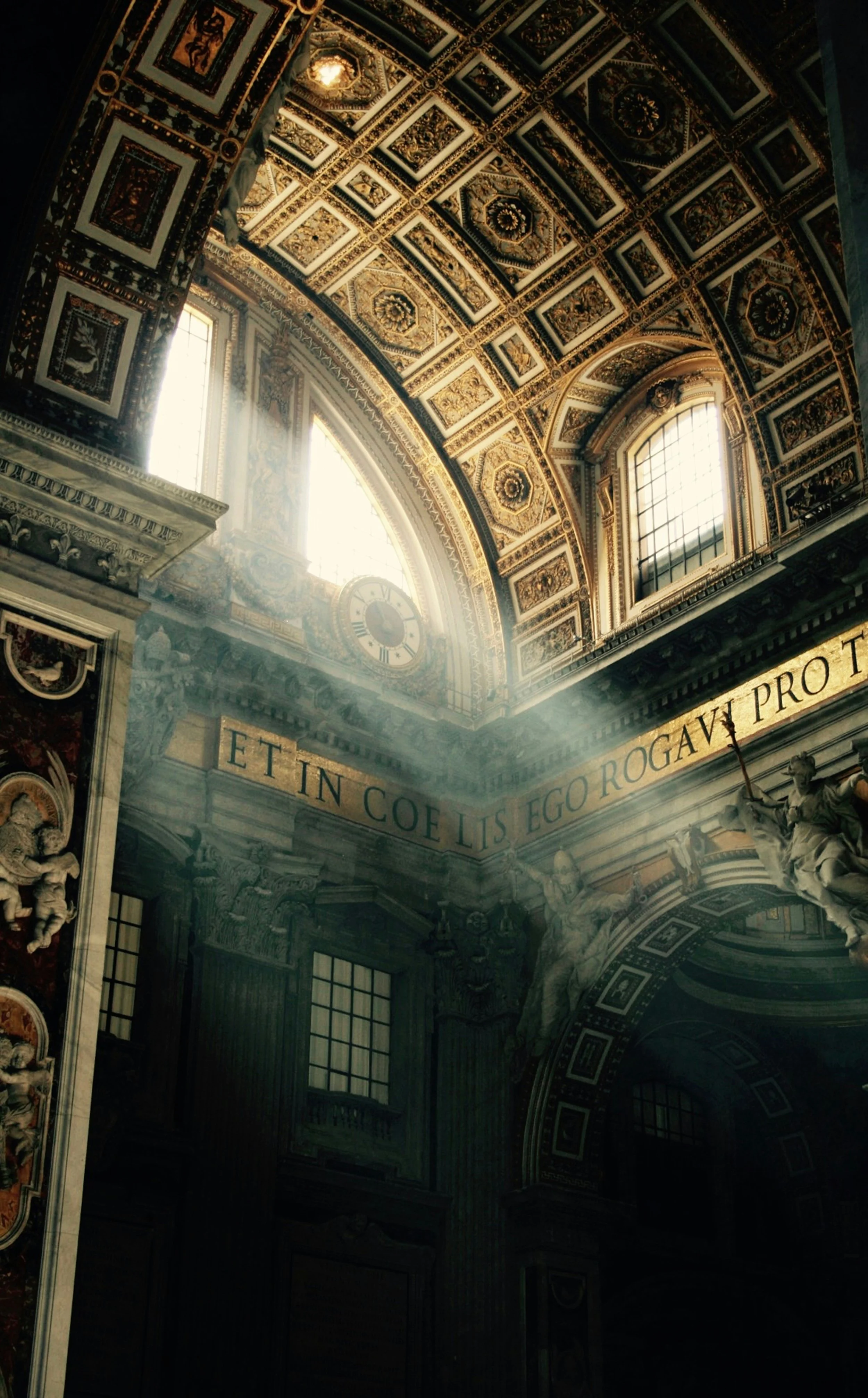
So maybe the work isn't to try harder, perform better, or manage our own healing behind closed doors. Maybe the work is simply to stop running, to let the mask drop, and to allow ourselves to be fully known. Healing doesn't happen in the dark room of our self-reliance; it happens when we bring our brokenness into the light and discover that grace has been waiting there all along.
Beauty Over Efficiency
I suspect many of us do this. We are so conditioned to save time, increase productivity, and maximize efficiency that we routinely sacrifice a deeper longing to experience the beauty of the world.
I believe choosing the scenic route is a sacred invitation. It's an invitation to slow down and choose to engage in the wonder of life, even within the mundane, everyday moments. This is one of the ways God loves us.

The Importance of a Rule of Life
In the mystical tradition, the spiritual life is not about achieving perfection or flawless execution of a schedule. Mysticism teaches us that the ultimate goal is union with the Divine, which requires a radical letting go of our own control.
For a long time, I viewed my rigidity as a flaw to be eradicated. But contemplative wisdom invites us to a different path, one where we learn to notice and nurture our defense mechanisms rather than wage war against them. When we stop fighting our natural tendencies, we can begin to see them as invitations to deeper grace.
My Greatest Vice: An Intro to The Examen
The true importance of the Examen lies in its ability to bridge the gap between our automatic reactions and our desire for authentic peace. It teaches us to hold our "noticings" without judgment, bringing them into the light of God’s grace. When we practice the Examen, we aren't just recounting the day's events; we are looking for the patterns. For a Peacemaker like me, it means catching the tiny, quiet moments where I chose to swallow my opinion to avoid tension, giving me the chance to nurture that awareness before it builds into an explosion. It turns our daily history into a sacred text, showing us exactly where the Holy Spirit is inviting us to heal, to speak up, or to rest.

A Case for Contemplation (& Boredom)
Contemplation can be defined as looking thoughtfully at something for a long time. In the Christian life, it often refers to quietly sitting with and attending to the presence of God. We live in an age that is distracted, divided, and anxious; this hardly needs proving. Unless we intentionally create rhythms of rest, solitude, and silence, we will be shaped by that anxiety. Contemplation has been a consistent thread throughout church history, whether or not it was always labeled as such. There’s a reason practices like spiritual direction and contemplative prayer are not only still around, but experiencing something of a resurgence. They create space for us to notice, receive, and respond to the love of God.

4 Things Spiritual Direction is Not
I have been coming across people who when approached with the idea of spiritual direction pass it off as another form of counseling, therapy, pastoral care or form of mentorship, to which they seem to already have enough of in their life. And although spiritual direction can lean into some of these ways of care and attentiveness those other ways of caring and healing are not a substitute for what a good spiritual director can bring to someone’s life. Here is a simple breakdown of what spiritual direction is not:

Deconstruction, The Dark Night, & St John of the Cross
The framework offered by John gave language to what I had been living through. What I had interpreted as deconstruction began to look more like what he described as a “dark night”, a necessary process of purification in which God leads us beyond certainty and into love. When I first encountered John’s life and teachings, I found myself frustrated. This reframing of spiritual darkness as a deep, necessary, and ultimately grace-filled invitation led by the Holy Spirit, had been present within the Christian tradition for centuries. And yet, I had never been introduced to it. How many others were walking through similar seasons without language, without guidance, and without the reassurance that this path may actually be leading them closer to God?
Humility & The Love of God
If we are to hold any stable and grounding belief about God, it is this: God is love. And because God is limitless, the human mind can never fully grasp or contain Him. We cannot master God through understanding—we come to know Him through encounter, surrender, and love. And this realization should lead us into deep humility.

What is Spiritual Direction?
Today, we find ourselves in a very different kind of desert—one filled with noise, distraction, and constant activity. It takes intention to slow down, to become present, and to notice the movement and invitations of the Holy Spirit. God is still speaking, but we often struggle to make space to listen.